ऐतिहासिक पृष्ठभूमि
राणा शासनको अन्त्यपछि केही व्यक्तिमा शिक्षाप्रति चेतना जागृत भएसँगै देशभर विद्यालय खुल्ने क्रम बढ्यो। यही क्रममा वि.सं. २०१७ सालमा साविकको तल्लु पञ्चायत अन्तर्गत "डाँडा माथि" भन्ने ठाउँमा यो विद्यालय प्राथमिक तहमा स्थापना भएको थियो। सीमित सेवा क्षेत्रको आवश्यकतालाई मध्यनजर गर्दै वि.सं. २०३३ सालमा निम्न माध्यमिक तह (नि.मा.वि.) सञ्चालन गर्ने स्वीकृति प्राप्त भयो।
After the end of the Rana regime, awareness of education grew among some individuals, leading to the establishment of schools across the country. In this context, in 1960 AD (2017 B.S.), this school was founded as a primary school at a place called “Danda Mathi” under the then Tallu Panchayat. Considering the need for limited service areas, approval was granted in 1976 AD (2033 B.S.) to operate the Lower Secondary level.
त्यसपछि, विद्यालय स्थापनाप्रतिको जनचाहना र सेवा क्षेत्र विस्तार हुँदै गएपछि सबैलाई पायक पर्ने स्थानमा माध्यमिक तह (मा.वि.) सञ्चालन गर्ने उद्देश्यले छलफल भयो। सोहीअनुरूप, श्री वीरेन्द्र हिमालय मा.वि. लाई तल्लुबाट भगवती पञ्चायतमा पर्ने हालको स्थान तल्लुबगरमा वि.सं. २०३९ सालमा सारियो।
वि.सं. २०३९ सालदेखि माध्यमिक तहका कक्षाहरू सञ्चालन भए पनि स्थायी स्वीकृतिका लागि ठूलो सङ्घर्ष गर्नुपरेको थियो। यस कार्यमा विशेष गरी वीरबहादुर मल्ल, रतनबहादुर के.सी., भीमबहादुर मल्ल र डिल्लीबहादुर मल्लको ठूलो योगदान रहेको पाइन्छ। अथक प्रयासपछि वि.सं. २०४१/०३/१४ मा विद्यालयले माध्यमिक तहको स्थायी स्वीकृति प्राप्त गर्यो। विद्यालय सञ्चालन तथा भौतिक पूर्वाधार निर्माणमा साविकका रग्दा, भगवती र गोतामकोटका बौद्धिक वर्ग तथा स्थानीय जनताको उल्लेखनीय सहयोग रहेको थियो।
त्यसपछिका दिनहरूमा विभिन्न आर्थिक, भौतिक, शैक्षिक र सामाजिक उतारचढाव बेहोर्दै अघि बढेको विद्यालयले वि.सं. २०६० सालसम्म खासै उल्लेखनीय प्रगति गर्न सकेन। पिछडिएको ठाउँ र अग्रगामी चेतनाको अभावका बीचमा पनि वि.सं. २०६५ सालमा तत्कालीन प्रधानाध्यापकको विशेष योजना र पहल तथा रग्दा र भगवतीका बौद्धिक वर्गको सहयोगमा उच्च माध्यमिक शिक्षा परिषद्बाट अस्थायी सम्बन्धन लिई उच्च माध्यमिक तहका कक्षाहरू सञ्चालन गरियो। प्रधानाध्यापकको विशेष पहलमा वि.सं. २०৬৮ सालमा यसै विद्यालयमा SLC परीक्षा केन्द्र कायम भयो। साथै, वि.सं. २०६९ देखि व्यवस्थापन सङ्कायका विषयहरू पनि अध्यापन गर्ने अनुमति लिएर पठनपाठन सुरु गरियो।
भौतिक पूर्वाधारका रूपमा साना कक्षाकोठाका भवनबाहेक केही नभएको अवस्थामा वि.सं. २०६१ देखि विभिन्न सङ्घसंस्था, गाउँ विकास समिति तथा जिल्ला शिक्षा कार्यालयसँग सहयोगको अपिल गरियो। फलस्वरूप, विद्यालयका सबै भवनहरू नयाँ निर्माण भए र फर्निचर, शौचालय तथा घेराबार अपर्याप्त भए पनि केही हदसम्म व्यवस्थापन भयो। दुर्गम र भौगोलिक रूपमा पिछडिएको यस क्षेत्रमा शैक्षिक र भौतिक विकास गर्नु एक चुनौतीपूर्ण विषय थियो। तथापि, विद्यालय प्रधानाध्यापक, शिक्षक, विद्यालय व्यवस्थापन समिति, विद्यार्थी र सम्पूर्ण अभिभावकहरूको सहयोग र चाहनालाई मध्यनजर गर्दै "प्राविधिक तथा व्यावसायिक शिक्षा आजको आवश्यकता हो" भन्ने मान्यताका साथ विद्यालय अगाडि बढ्यो। सबै अभिभावकको सहयोगमा प्राविधिक शिक्षालय स्थापना गर्ने उद्देश्यले वि.सं. २०७५ सालमा विद्यालयमा शैक्षिक तथा धार्मिक महोत्सव आयोजना गरियो। उक्त महोत्सवमा खुला र उदार मन भएका अभिभावक, शिक्षक तथा कर्मचारीहरूबाट प्राप्त चन्दा रकमबाट आवश्यक पूर्वाधार जुटाई वि.सं. २०७६ सालदेखि प्राविधिक धारतर्फ तीनवर्षे डिप्लोमा इन सिभिल इन्जिनियरिङ (ओभरसियर) कार्यक्रम सञ्चालन गरियो। हालसम्म यस कार्यक्रमले दुर्गम गाउँका आर्थिक रूपले विपन्न वर्गका विद्यार्थीहरूलाई आफ्नै घरआँगनमा प्राविधिक शिक्षा हासिल गर्न सहयोग पुर्याएको छ।
शैक्षिक इतिहासलाई हेर्दा, SLC परीक्षा उत्तीर्ण दरलाई आधार मान्दा वि.सं. २०५५/२०५६ सम्म खासै उपलब्धि देखिएन, तर वि.सं. २०६० देखि हालसम्म जिल्लाको औसत नतिजाभन्दा माथि रहँदै विद्यालय अगाडि बढिरहेको छ।
१.२) विद्यालयको भौगोलिक अवस्था
नेपालका पिछडिएका जिल्लामध्ये एक जाजरकोटको अति विकट/पिछडिएको मानिने नलगाड नगरपालिकामा यो विद्यालय अवस्थित छ। सदरमुकाम खलङ्गाबाट २५ कोष टाढा, भेरी नदीको किनारमा, जाजरकोट-डोल्पा जाने मोटरबाटोको बायाँपट्टी, नलगाड नगरपालिका वडा नं. १२, तल्लुबगरको असिञ्चित र उजाड भूभागको शान्त वातावरणमा यो विद्यालय रहेको छ। यो विद्यालय २८.८७४४१ डिग्री अक्षांश र ०८२.४८४१२ डिग्री देशान्तरमा अवस्थित छ। समुद्री सतहबाट १११८ मिटर उचाइमा रहेको यो स्थान आफैँमा एक मनोरम र सुन्दर छ। प्राकृतिक दृष्टिकोणले यो ठाउँ चारैतिर अग्ला पहाडहरूले घेरिएको छ— पूर्वमा चित्रीपाटन, पश्चिममा भगवतीमाईको मन्दिर तथा छायर लेक, उत्तरमा दाङ्चा लेक र दक्षिणमा रानीवन तथा दह लेक। मोटरबाटोको कारणले यहाँ केही घरहरू निर्माण भएका छन्, तर विद्यालयको वरिपरि खासै जनघनत्व छैन। जनतासँग प्रत्यक्ष सरोकार राख्ने सरकारी निकायका रूपमा यस विद्यालयले सेवा दिइरहेको छ। विद्यालय नजिकै वडा कार्यालय र स्वास्थ्य संस्था रहेकाले पनि यहाँ मानिसहरूको बाक्लो उपस्थिति रहने गर्छ।
यस क्षेत्रमा रुकुम पश्चिमको गोतामकोट जस्तो पहाडी समथर र उब्जाउशील भूमि कम छ, र अन्य बस्तीहरू प्रायः पशुपालनका लागि उपयोगी डाँडाकाँडामा रहेका छन्। डोल्पा जाने बाटोको बीचमा पर्ने भेरी नदीका किनारमा अवस्थित टारहरू बजारका रूपमा चिनिन्छन्, जस्तै: चौखा, अनाह, मूलबजार, दामाचौर आदि। यहाँका धेरैजसो मानिसहरू वर्षभरि एकै घरमा नबसी मौसमअनुसार ठाउँ परिवर्तन गर्ने गर्छन्, जसकारण धेरैका दुईभन्दा बढी ठाउँमा घरहरू छन्। यसले विद्यार्थीहरूको नियमित उपस्थितिमा समेत प्रभाव पार्ने गरेको छ। हाल यस विद्यालयको सेवा क्षेत्र नलगाड नगरपालिकाका वडा नं. ९, १०, ११, १२, १३ र आठबीसकोट नगरपालिका (रुकुम पश्चिम) का वडा नं. १, २, ३, ४, ५, ६ रहेका छन्। साथै, केही सङ्ख्यामा डोल्पा जिल्लाबाट पनि विद्यार्थीहरू आउने गर्दछन्। कतिपय विद्यार्थीहरू विद्यालय आउन ६ घण्टासम्म हिँड्नुपर्ने बाध्यता छ, जसले गर्दा छात्रावासको आवश्यकता खड्किएको देखिन्छ।
१.३) विद्यालय रहेको समुदायको बनोट
विद्यालय रहेको क्षेत्रको समुदायको बनोट देहायबमोजिम छ:
अ) आर्थिक अवस्था: श्री वीरेन्द्र हिमालय मा.वि. रहेको समुदायको आर्थिक अवस्था कमजोर छ। धेरै अभिभावकहरू रोजगारीका लागि विदेश तथा छिमेकी देश भारतमा पलायन भएका पाइन्छन्। सरकारी रोजगारी तथा स्वरोजगारमा संलग्न मानिसको सङ्ख्या कुल जनसङ्ख्याको थोरै अंश मात्र छ।
आ) धार्मिक एवं सांस्कृतिक अवस्था: यस विद्यालय रहेको समुदाय धार्मिक, सांस्कृतिक एवं जातीय रूपमा विविधतायुक्त भए तापनि हिन्दु धर्मावलम्बीहरूको बाहुल्यता रहेको छ।
इ) सामाजिक स्तर एवं भाषिक संयोजन: यस समुदायका प्रायः मानिसहरूको सामाजिक स्तर मध्यम किसिमको छ। शैक्षिक चेतनाको कमीका कारण अभिभावकहरूको शिक्षाप्रतिको चासो कम देखिन्छ। मातृभाषाका रूपमा छुट्टै भाषा नभए पनि राष्ट्रिय भाषा नेपाली बोल्ने लवजमा भने फरक पाइन्छ।
१.४) विद्यालयको सेवा क्षेत्र
यस विद्यालयको सेवा क्षेत्रमा जाजरकोटको नलगाड नगरपालिकाका वडा नं. ८ देखि १३ सम्म, रुकुम पश्चिमको आठबीसकोट नगरपालिकाका वडा नं. १ देखि ६ सम्म र डोल्पा जिल्लाको मुड्केचुला गाउँपालिकाका केही वडाहरू पर्दछन्। सिभिल इन्जिनियरिङ कार्यक्रममा भने जाजरकोट र रुकुमका साथै अन्य जिल्लाबाट पनि केही विद्यार्थीहरू आउने गरेका छन्।
१.५) विद्यालयमा सञ्चालित कार्यक्रमहरू
यस विद्यालयमा साधारण धारतर्फ कक्षा ६ देखि १२ सम्म र प्राविधिक धारतर्फ तीनवर्षे डिप्लोमा इन सिभिल इन्जिनियरिङ कार्यक्रम सञ्चालित छन्।
१.६) विद्यालय सेवा क्षेत्रमा रहेको रैथाने ज्ञान, सीप र शैली
यस विद्यालय अवस्थित क्षेत्रमा निगालोबाट डोको बुन्ने, परम्परागत आरन चलाउने, राडीपाखी बुन्ने, पानीघट्ट चलाउने, मुसलबाट धान कुट्ने र कोलबाट तेल पेल्ने जस्ता स्थानीय रैथाने ज्ञान, सीप र शैलीहरू पाइन्छन्। तर, समयसँगै यी परम्परागत सीपहरू विस्तारै लोप हुँदै गएका छन्।
Later, with growing public demand and the expansion of the service area, discussions were held to operate the Secondary level in a more accessible location. Accordingly, in 1982 AD (2039 B.S.), Shree Birendra Himalaya Secondary School was relocated from Tallu to its present site at Tallubagar under Bhagwati Panchayat.
Although classes at the Secondary level began in 1982 AD, obtaining permanent approval required significant struggle. Notably, Veer Bahadur Malla, Ratan Bahadur K.C., Bhim Bahadur Malla, and Dilli Bahadur Malla made major contributions. After tireless efforts, on 28 June 1984 AD (2041/03/14 B.S.), the school received permanent approval for the Secondary level. Intellectuals from Ragda, Bhagwati, and Gotamkot, along with local residents, provided remarkable support in school operation and infrastructure development.
In the following years, the school faced various economic, physical, educational, and social challenges and could not achieve notable progress until 2003 AD (2060 B.S.). Despite being in a remote and underdeveloped area, in 2008 AD (2065 B.S.), with the special initiative of the then principal and support from intellectuals of Ragda and Bhagwati, the school obtained temporary affiliation from the Higher Secondary Education Council and began Higher Secondary classes. In 2011 AD (2068 B.S.), the school was designated as an SLC examination center. Furthermore, in 2012 AD (2069 B.S.), permission was obtained to teach Management subjects, and classes were started.
Regarding infrastructure, apart from small classroom buildings, there was little else. From 2004 AD (2061 B.S.), appeals were made to various organizations, the Village Development Committee, and the District Education Office. As a result, new buildings were constructed, and although furniture, toilets, and fencing remained insufficient, some arrangements were made. Educational and physical development in such a remote and geographically disadvantaged area was a challenging task. Nevertheless, with the cooperation of the principal, teachers, school management committee, students, and parents, the school advanced under the belief that “Technical and vocational education is today’s necessity.” To establish a technical institute, an educational and religious festival was organized in 2018 AD (2075 B.S.). With donations from open-minded parents, teachers, and staff, necessary infrastructure was managed, and in 2019 AD (2076 B.S.), a three-year Diploma in Civil Engineering (Overseer) program was launched. This program has provided opportunities for economically disadvantaged students in remote villages to pursue technical education locally.
Looking at the educational history, based on SLC pass rates, there was little achievement until 1998/1999 AD (2055/2056 B.S.). However, since 2003 AD (2060 B.S.), the school has consistently performed above the district average.
The school is located in Nalgad Municipality, Jajarkot—one of Nepal’s most remote and underdeveloped districts. It lies 25 kos (approx. 37 km) from the district headquarters Khalanga, on the left side of the Jajarkot-Dolpa motor road, by the bank of the Bheri River, in Ward No. 12, Tallubagar. The school sits in an uncultivated and barren area at latitude 28.87441° and longitude 82.48412°, at an elevation of 1118 meters above sea level. The site is naturally beautiful, surrounded by high hills: Chitripatan to the east, Bhagwatimai Temple and Chhaya Lake to the west, Dangcha Lake to the north, and Raniban and Dah Lake to the south.
Although some houses have been built due to road access, population density around the school is low. As a government institution directly serving the people, the school is close to the ward office and a health facility, ensuring regular public presence.
Unlike fertile plains such as Gotamkot in Rukum West, this area has limited cultivable land, with most settlements located on hills suitable for livestock. Along the Bheri River, small markets such as Chaukha, Anaha, Mulbazar, and Damachaur have developed. Many residents migrate seasonally, maintaining multiple homes, which affects student attendance. Some students walk up to six hours to reach the school, highlighting the need for a hostel.
The school’s service area includes Wards 9–13 of Nalgad Municipality, Wards 1–6 of Aathbiskot Municipality (Rukum West), and some wards of Mudkechula Rural Municipality (Dolpa). For the Civil Engineering program, students also come from other districts.
Economic condition: The community’s economy is weak. Many parents migrate abroad or to India for employment. Only a small fraction are engaged in government jobs or self-employment.
Religious and cultural condition: The community is diverse in religion, culture, and ethnicity, though Hinduism is predominant.
Social and linguistic condition: Most people belong to a middle-level social class. Due to lack of educational awareness, parents show limited interest in schooling. While Nepali is spoken as the mother tongue, the accent differs from standard usage.
The school serves Wards 8–13 of Nalgad Municipality, Wards 1–6 of Aathbiskot Municipality (Rukum West), and some wards of Mudkechula Rural Municipality (Dolpa). For the Civil Engineering program, students also come from Jajarkot, Rukum, and other districts.
The school runs classes from Grade 6 to 12 in the general stream and a three-year Diploma in Civil Engineering program in the technical stream.
Local traditional skills include weaving bamboo baskets (doko), operating traditional iron forges, weaving woolen cloth (radi-pakhi), running water mills, pounding rice with wooden pestles, and pressing oil with wooden mills. However, these practices are gradually disappearing over time.
हाम्रो विद्यालयको आधिकारिक दर्ता र पहिचान सम्बन्धी महत्त्वपूर्ण विवरणहरू।Key official registration and identification details of our school.
इतिहास विवरण थपिएको छैन।History entries coming soon.
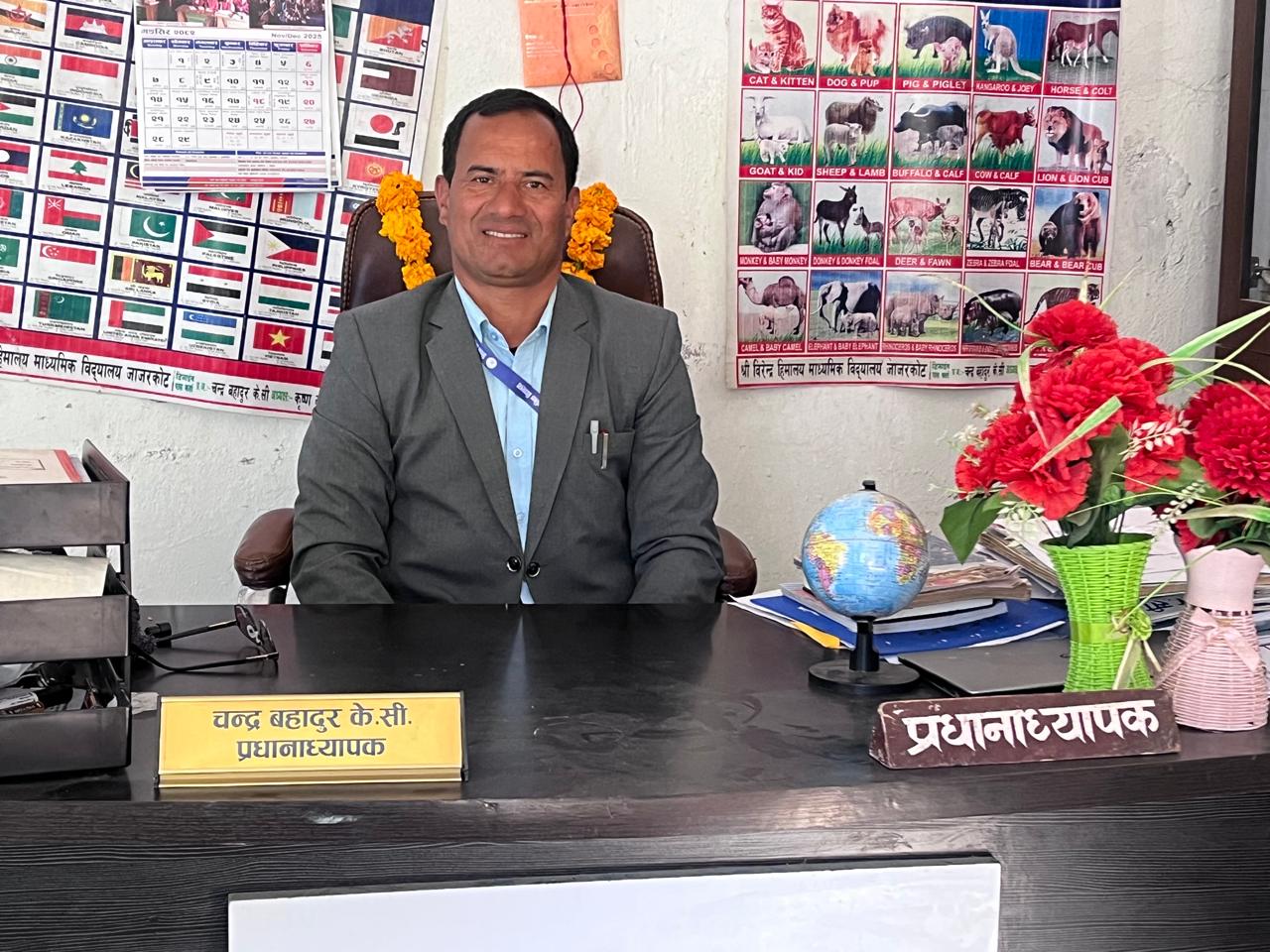
आदरणीय यस विद्यालयका संस्थापक तथा यस विद्यालयको प्रगति उन्नतिमा निरन्तर लागीपर्नुहुने सकारात्मक सोचका धनि व्यत्तित्वहरु, सम्पूर्ण पूर्व वर्तमान अभिभावक, विद्यार्थी, शिक्षक,कर्मचारी र सम्बन्धित सरोकारव…Respected founders of this school and the visionary personalities who have continuously contributed to its progress, all past and present parents, students, teachers, staff, concerned stakeholders, an…
पूरा सन्देश पढ्नुहोस् →Read full message →